

TL;DR
|
OEM KPIs (Key Performance Indicators) are measurable metrics that vehicle and equipment manufacturers use to assess performance against business objectives. Across dealer networks, these can cover sales, lead conversion, stock, aftersales, customer experience and profitability.
To help dealers drive success, OEMs need performance data that can be accessed quickly and easily and connects these measures to clear targets and actions. A shared view of performance helps you decide where to focus dealer support, what to discuss during visits and how to track progress.
The priorities will vary across your network. You might need to understand why enquiries are not converting, where stock is ageing, whether customers return for servicing or which dealers need support with parts availability. The purpose of your KPIs is to make those questions easier to answer.
In the following sections, we explore how to set meaningful KPIs and use them to support sales, lead management and customer retention.
How to Set OEM KPIs for Your Network
Start with the outcome you want to improve, then choose measures that show both the result and the activity behind it. If your objective is to increase orders, for example, track lead response times and quotation conversion alongside sales volume.
For each KPI, agree a definition, data source, reporting frequency, target and owner. Decide what action to take when performance falls below target, and when you will review the result.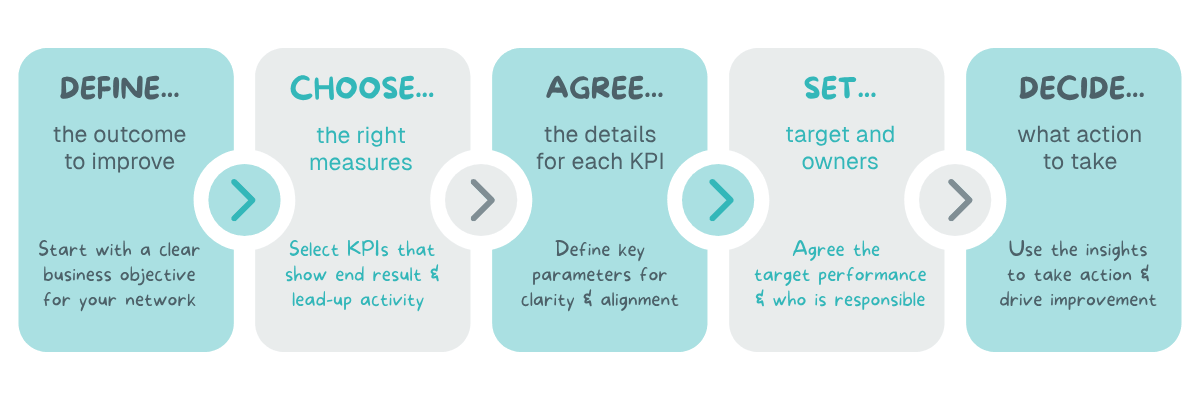
Use consistent definitions for comparisons, while accounting for dealer size, territory potential, product mix and seasonal demand. A single target may not suit every dealer or every reporting period.
Depending on your business objectives, sector-specific measures could include:
-
Automotive: test-drive conversion, stock ageing, service retention and EV sales mix where relevant.
-
Motorcycles: test-ride conversion, seasonal stock planning, accessory sales and service retention.
-
Agricultural equipment: demonstration-to-order conversion, pre-season servicing, parts availability and response times for urgent repairs.
-
Commercial vehicles: fleet quotation conversion, service contract uptake, repair turnaround and vehicle downtime.
Use these as starting points. Select the measures your dealers can influence and your data can reliably support, then review their relevance as priorities change.
How Can OEM KPIs Help You Boost Sales?
Key dealer metrics help you bring information from different systems and spreadsheets into a usable view of network performance. You can see where dealers are progressing and where a gap needs attention.
-
Timely information reduces the effort of finding and collating reports, giving teams more time to discuss what the figures mean.
- Shared definitions and reporting help head office, field teams and dealers work from the same view of performance.
- Trend visibility helps you investigate changes in demand, stock or conversion before the end of the reporting period.
Use Visibility to Focus Dealer Activity
With the right tools and data, dealers can regularly review their performance against targets and identify where action is needed. For measures updated daily, this can provide an early indication of emerging gaps or opportunities.
Now, they can see progress against target to:
-
Plan stock and promotions using order trends, product demand and stock ageing, rather than sales totals alone.
-
Identify changes in performance by comparing current results with previous periods and relevant dealer benchmarks.
-
Improve forecasting by reviewing the sales pipeline, quotation progress and expected delivery dates alongside completed sales.
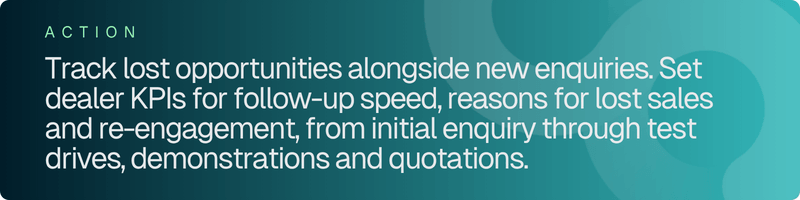
For example, a dealer with strong enquiry volumes but few orders needs a different conversation from one with limited enquiries or ageing stock. Your dashboard should help distinguish those issues so the next action addresses the gap.
Regular visibility is useful where data updates daily. For other measures, set a reporting cadence that matches the source data and the decisions you need to make.
What Dealer Performance KPIs Help You Manage Leads?
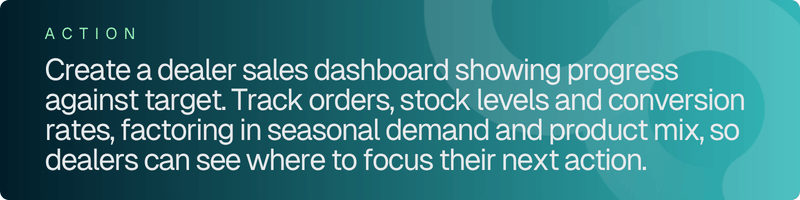
Track lost opportunities alongside new enquiries and completed sales. Understanding why an opportunity did not convert, and where it stalled, gives you a starting point for improving the sales process.
Understand Where Opportunities Are Lost
Look at each stage of the journey, from the first response through a test drive, test ride, equipment demonstration or fleet quotation. Useful questions include:
-
How quickly was the lead followed up?
-
How many test drives, test rides or demonstrations lead to a quotation or order?
-
Which quotations remain open, and how long have they been waiting for a response?
-
Why were opportunities lost: price, product availability, specification, finance or purchase timing?
-
How effective was the handover process between the sales and service teams?
Separate opportunities that are lost from those that are deferred. A customer who delays replacing a machine or reviewing a fleet may need a future follow-up rather than being treated as a closed opportunity.
In automotive, you might test a more specific enquiry prompt such as “book a test drive”. Elsewhere, “arrange a demonstration” or “request a fleet quotation” may be more relevant. Measure whether any change improves qualified enquiries and completed sales.
How Can Dealer Performance KPIs Support Customer Retention?
The customer relationship continues after a vehicle or machine is delivered. Dealer performance KPIs can help you understand whether customers return for servicing, buy parts and accessories, renew support agreements or come back when they need to replace or upgrade.
Track sales and aftersales together to identify where customers disengage and where dealers could offer more relevant support. For fleet and equipment customers, consider measures linked to repair turnaround and ongoing maintenance as well as satisfaction.
Identify Opportunities Within Your Existing Customer Base
Useful questions for your dealers include:
-
What proportion of customers return when servicing is due, based on time, mileage or operating hours?
-
What is the uptake and renewal rate for service plans, maintenance contracts and extended warranties, where offered?
-
Are parts availability or repeat repairs affecting the customer experience?
-
Which customers may be approaching a replacement, upgrade or fleet renewal decision?
-
Where could relevant parts, accessories, attachments or support services meet an existing customer need?
Use these insights to plan relevant follow-up. Examples could include a service reminder, a pre-season maintenance campaign, a contract renewal conversation or support with a replacement purchase.
Include Used Vehicles and Equipment in Your Scorecard
Where dealers sell used vehicles or equipment, include that activity in your performance reporting. Track stock ageing, preparation time, margin and enquiry conversion to understand how it contributes to the business.
A trade-in can create opportunities for a replacement sale and a subsequent used sale. Monitor both transactions to understand the margin and stock implications for the dealer.
How to Get Visibility of Your Underlying Performance Indicators?
Bring your dealer performance KPIs into a dashboard or balanced scorecard, using the data sources relevant to your network. These might include dealer management systems, customer relationship management systems, orders, registrations where relevant, parts and service records, and programme results.
Agree how data is checked and how often it updates. Head office, field teams and dealers need to understand the definitions and reporting periods behind the figures before they can use them in performance conversations.
Different teams need different views of the same performance data. Head office needs visibility of network-wide trends, field teams need to identify where support is required, and dealers need to understand their own progress against targets. A shared scorecard helps align priorities while giving each team the information relevant to their role.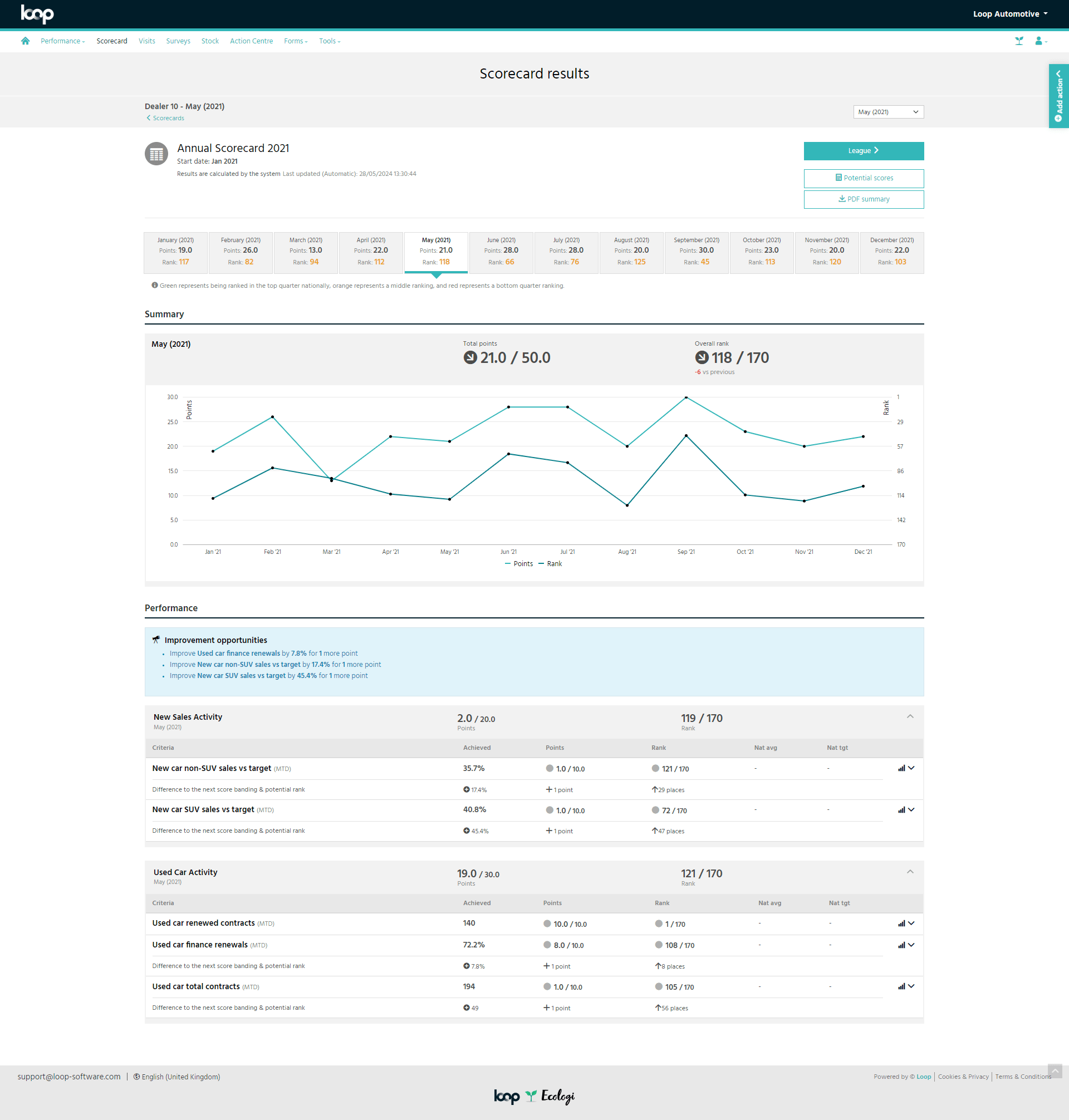
Loop brings network performance reporting and actions into a shared platform. Head office can communicate priorities, field teams can prepare for dealer visits, and dealers can review their own progress.
It helps teams to:
-
Spend more time coaching dealers and supporting customers, with less manual report preparation.
-
Review performance headlines in one place and investigate the detail when needed.
-
Connect KPIs to agreed actions, with responsibility and follow-up recorded.
-
Use a shared view of performance to make dealer conversations more focused.
Automotive Examples of Linking Visibility to Action
Honda UK Cars rolled out Loop across its 150-plus UK dealers. Loop’s case study reports that KPIs linked to actions were 70% more likely to improve..png?width=1000&height=563&name=Nov-25-Auto-KPIs-Honda%20(2).png)
The Volkswagen case study reports a 10% improvement in efficiency and performance across Volkswagen Group UK. Its dealers use Loop to review targets and assigned actions, while field teams use it for performance tracking and visit reporting.
These are automotive examples of combining performance visibility with action. Choose KPIs and targets that reflect the objectives of your own vehicle or equipment network.
Turn Dealer Performance KPIs Into Your Action Plan
The right network insights help you answer practical business questions:
-
Who should I visit this week based on performance gaps or missed targets?
-
Are we generating and converting enough leads to hit our order targets?
-
Where do stock levels or product mix need attention?
-
Which dealers need support with service retention, parts availability or repair turnaround?
-
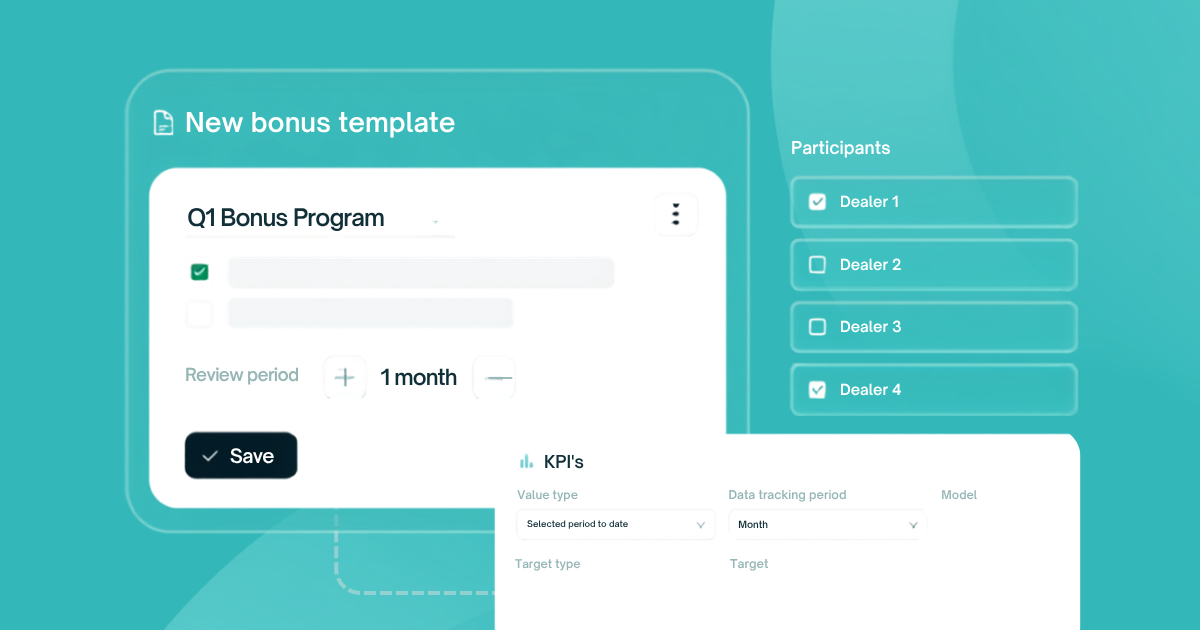
Are our dealers on track to hit their targets and qualify for bonus payments?
-
Which agreed actions are making a measurable difference?
With Loop, you connect sales, aftersales and customer experience data across your network and link performance gaps to dealer actions. Discover how Loop can support your network’s priorities.
OEM KPIs FAQ

.png)